

The Hidden Impact of Weather on Global Logistics

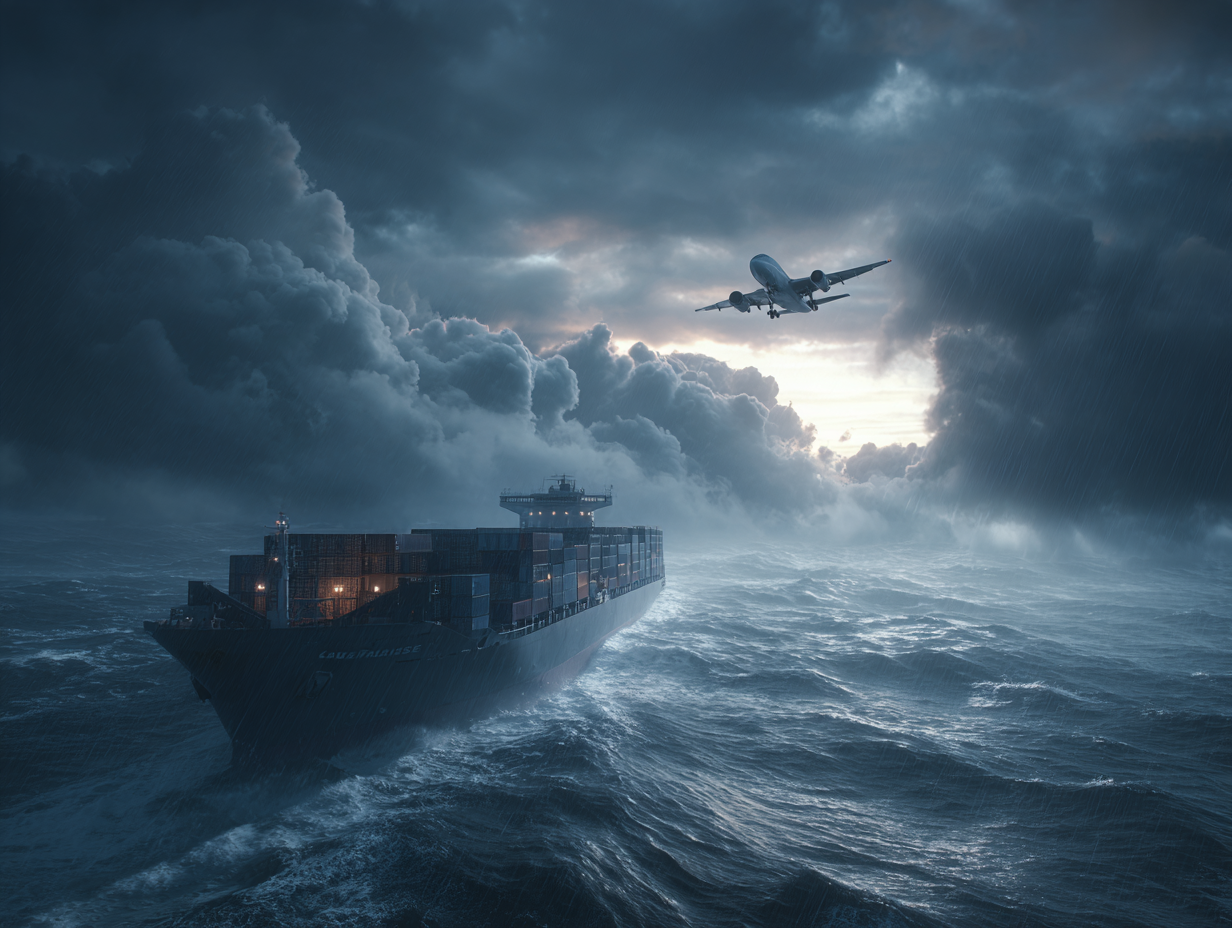
Weather is one of the few variables in global logistics that no one can control, yet it influences nearly every part of the supply chain. From ocean freight delays to disrupted air routes and inland transportation challenges, weather plays a silent but powerful role in how goods move around the world.
As climate patterns become more unpredictable, understanding weather’s impact on logistics is no longer optional, it’s essential.
Weather and Ocean Freight: More Than Rough Seas
In ocean freight, weather affects far more than sailing conditions. Storms, heavy winds, fog, and changing sea currents can force vessels to slow down, reroute, or skip ports entirely.
Seasonal transitions, especially between winter and spring, often bring:
- Increased port congestion due to delayed vessel arrivals
- Changes in transit times and schedules
- Higher fuel consumption from route adjustments
For shippers, these disruptions can cascade into missed delivery windows and higher operational costs if not properly planned.
Air Freight and Atmospheric Conditions
Air freight is often seen as immune to weather delays, but the reality is different. Severe weather, strong winds, snowstorms, or reduced visibility can ground flights or limit cargo capacity.
Even minor disruptions in air schedules can have a major impact on time-sensitive shipments, making proactive planning and flexible routing critical, especially during seasonal weather shifts.
Inland Transportation Feels the Ripple Effects
Weather-related disruptions don’t stop at ports or airports. Inland transportation often absorbs the downstream impact.
Flooded roads, icy highways, and rail delays can slow last-mile delivery and intermodal transfers. When vessels or flights arrive late, trucking and rail schedules must adapt quickly to avoid further bottlenecks.
Why Visibility and Planning Matter More Than Ever
The key to managing weather-related risks lies in visibility and preparation. Real-time tracking, predictive weather analysis, and flexible routing allow logistics teams to react before disruptions escalate.
At Sea & Air Global, weather monitoring and proactive communication help clients anticipate challenges and adjust strategies early, protecting both timelines and costs.
Building Weather-Resilient Supply Chains
Modern logistics strategies are shifting from reaction to resilience. This includes:
- Diversifying ports and routes
- Building buffer time into transit plans
- Choosing transport modes strategically
- Working with logistics partners who understand regional and seasonal weather patterns
Resilience doesn’t eliminate weather risks, it minimizes their impact.
Conclusion
Weather may be unpredictable, but its impact on logistics doesn’t have to be disruptive. With the right planning, visibility, and partnerships, companies can navigate seasonal shifts and climate-related challenges more effectively.
In a world of changing weather patterns, logistics success belongs to those who plan for uncertainty, and move forward with confidence.