

FTL vs LTL: Which full truckload option to choose?

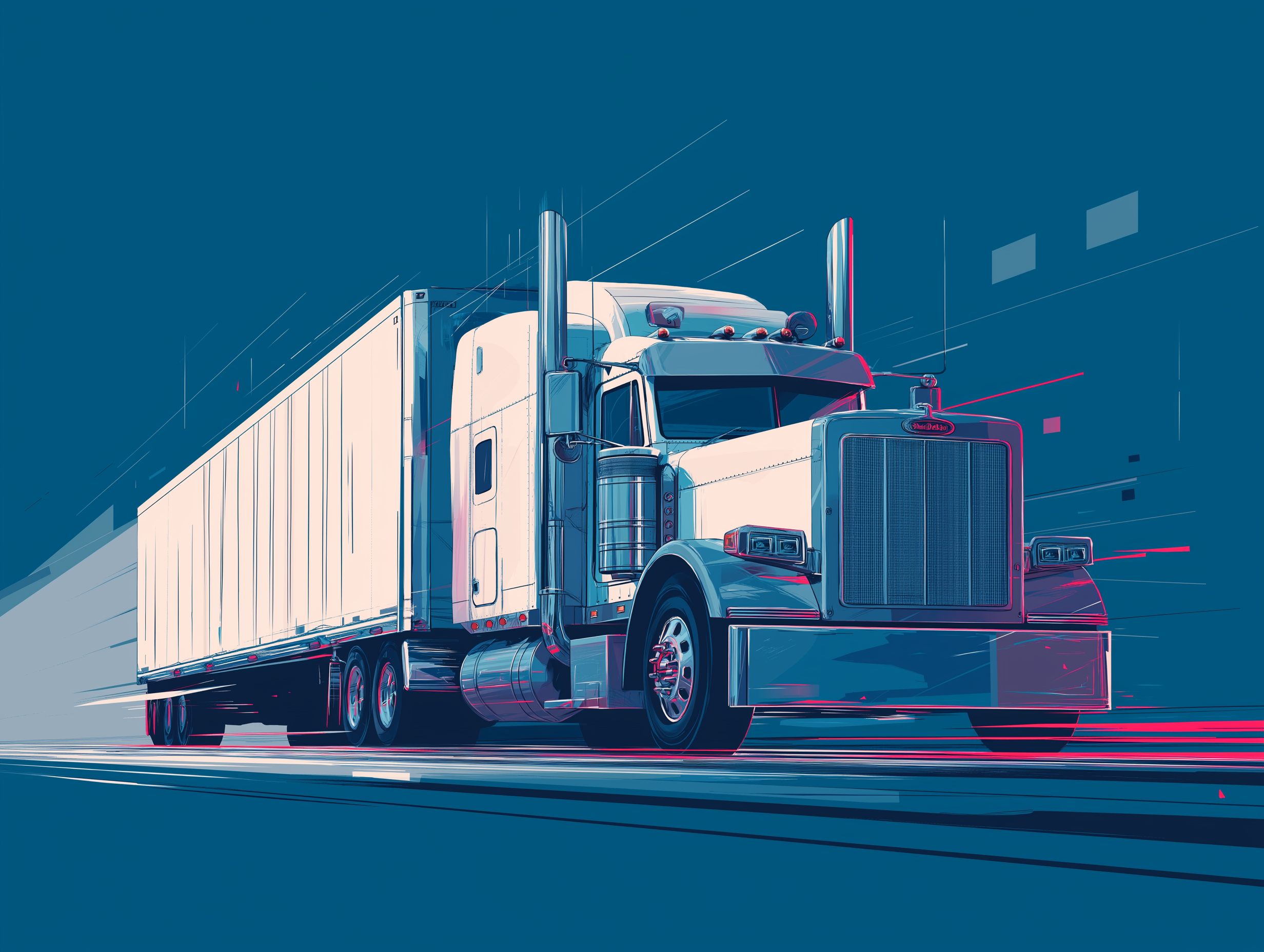
When moving freight across borders or within local markets, choosing the right shipping mode can save time, money, and headaches. Two of the most common options in logistics are FTL (Full Truckload) and LTL (Less‑Than‑Truckload). Below, we break down what each one means, when to choose one over the other, and real-world scenarios to help you decide, plus why Sea & Air Global is your ideal partner for navigating these choices.
What Are FTL and LTL?
- FTL (Full Truckload): You pay for the entire truck—even if it isn’t full. Your cargo is the only one on board, and it travels directly from pick-up to destination. It’s faster, safer, and ideal for large or fragile shipments.
- LTL (Less‑Than‑Truckload): You pay only for the trailer space you use. Your freight shares the truck with other shipments and may pass through multiple terminals along the way. It’s flexible and cost-effective for smaller loads.
Key Differences to Consider
Cost:
FTL is more cost-efficient per unit for large shipments, while LTL is ideal when you don’t have enough volume to fill a full truck.
Transit Time:
FTL is typically faster because the truck goes straight to the destination. LTL may take longer due to multiple stops and transfers.
Handling:
FTL involves minimal handling, which lowers the risk of damage. LTL shipments are loaded and unloaded more often, which increases that risk.
Flexibility:
LTL gives you the freedom to ship smaller loads more frequently. FTL is best when your cargo volume justifies the investment in a dedicated truck.
Sustainability:
LTL can be more eco-friendly when it helps reduce the number of partially loaded trucks on the road.
Real‑World Scenarios
High-Priority Automotive Components
A manufacturer needs to deliver 20,000 pounds of sensitive car parts across the border. With tight timelines and fragile goods, FTL ensures uninterrupted, direct transport with minimal handling risk.
E‑Commerce Inventory Restock
An online retailer wants to ship four pallets of inventory to their fulfillment center. LTL is perfect here, cost-effective and flexible, especially when paired with Sea & Air Global efficient consolidation services.
Hybrid Strategy During Peak Season
A company that normally ships weekly via LTL sees a spike in demand during the holidays. They switch to FTL during peak weeks to optimize transit time and cost by consolidating multiple orders into one shipment.
Why Choose Sea & Air Global for FTL or LTL Logistics?
At Sea & Air Global, we help you make smarter shipping decisions based on your cargo, schedule, and budget. Here’s how we support you:
- Mode Selection Expertise: We evaluate your load type and shipping urgency to recommend the best option.
- Consolidation Power: For LTL, we combine shipments across customers to reduce per-pallet costs.
- Dedicated FTL Solutions: For time-sensitive or fragile cargo, our FTL network guarantees efficiency and reliability.
- Transparent Pricing: We provide clear rate breakdowns—no surprises.
- Real-Time Tracking & Support: From customs paperwork to delivery confirmation, we keep you in control every step of the way.
Final Thoughts
Choose LTL when you’re shipping smaller volumes and need a flexible, budget-friendly solution. Opt for FTL when speed, safety, and minimal handling are top priorities.
Either way, Sea & Air Global has the infrastructure, knowledge, and cross-border experience to deliver the right solution, on time, every time.