

What Really Happens Behind 24-Hour Delivery?

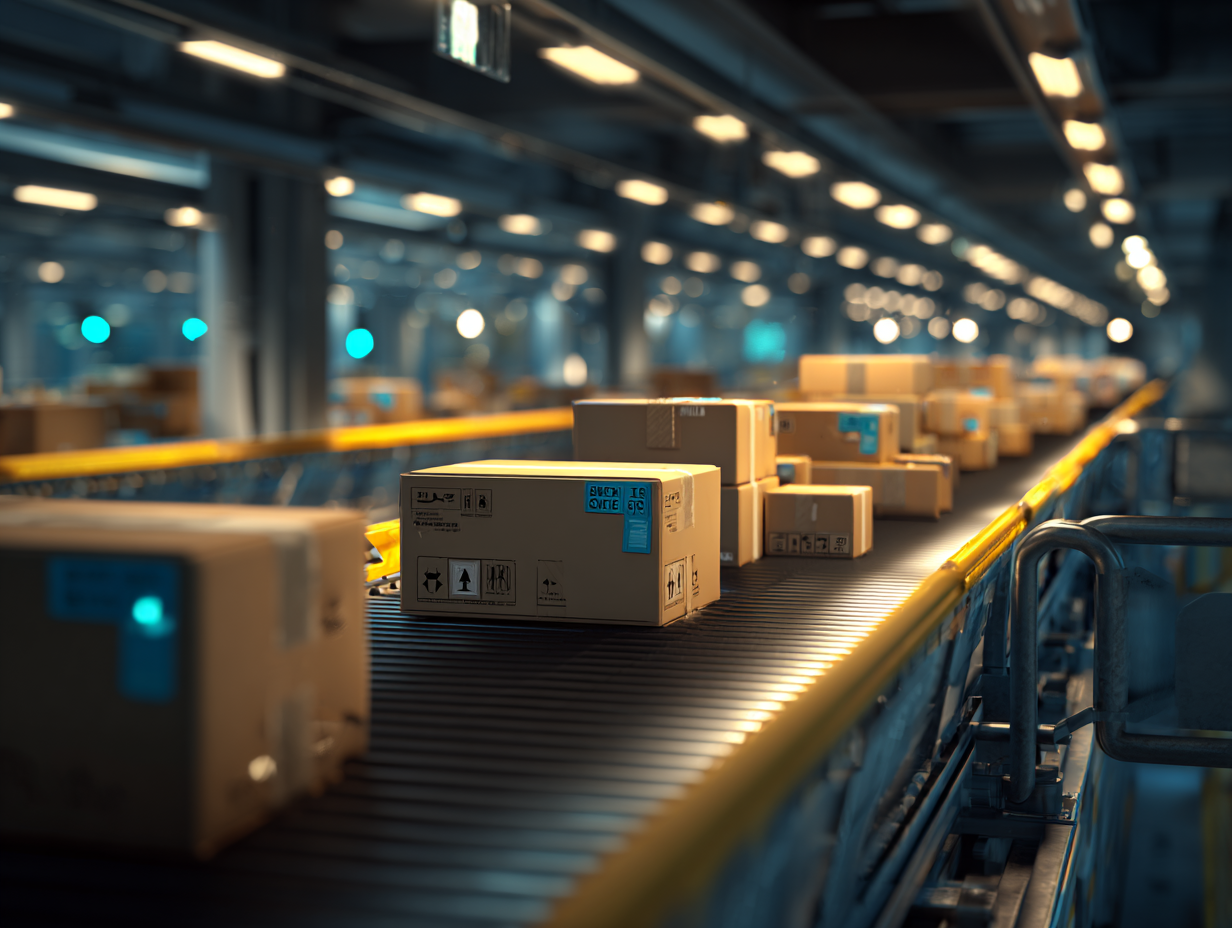
Every Black Friday, millions of shoppers click “Buy Now” expecting their orders to arrive faster than ever — sometimes in less than 24 hours. But behind that promise lies a high-speed, hyper-complex logistics operation that starts long before the first discount drops.
In reality, 24-hour delivery isn’t magic. It’s the result of months of planning, advanced technology, and supply chain coordination operating at full throttle. Here’s what really happens behind the scenes.
1. Inventory Positioning: The Race Starts Before Black Friday
Companies don’t wait for Black Friday to restock. They start months in advance, predicting demand using AI tools and historical data.
To shave hours off delivery times, brands strategically position inventory across multiple fulfillment centers, often closer to major cities or transport hubs. This minimizes travel distance and reduces the pressure on last-mile fleets once orders start rolling in.
2. Fulfillment Centers Shift Into “Peak Mode”
During Black Friday week, fulfillment centers transform into high-speed ecosystems:
- Automated sorting systems run nonstop
- Robotics handle picking and packing
- Temporary teams increase headcount
- Overnight shifts become the norm
The goal? Reduce processing time from hours to minutes.
In many warehouses, algorithms determine the fastest packing sequence, optimal box size, and most efficient conveyor routing to keep the flow moving.
3. Carriers Expand Their Networks… Fast
To support 24-hour delivery, carriers and logistics companies ramp up their operations weeks before Black Friday:
- Extra trucks and cargo vans hit the road
- Airlines add overnight cargo flights
- Regional carriers open pop-up hubs
- Delivery windows extend well past midnight
This “elastic capacity” is essential — without it, even the best-organized brands would face major delays.
4. AI-Driven Route Optimization Saves Crucial Hours
Once packages are out for delivery, every minute counts.
AI-powered routing systems analyze traffic, weather, distance, and even neighborhood patterns to determine the fastest possible route for drivers. These tools can improve last-mile speed by up to 30%, making 24-hour delivery feasible even during peak chaos.
5. The Human Factor: Teams Working at Full Speed
Behind each fast delivery is a massive human effort:
- Drivers covering record distances
- Warehouse teams moving product at triple speed
- Customer service managing surge-level inquiries
Black Friday is a stress test for the entire ecosystem, and people remain at the core of making the promise work.
6. What Happens When Something Breaks?
Even with perfect planning, surprises happen: demand spikes, inventory shortages, traffic jams, weather disruptions.
That’s why real-time visibility tools are critical. Control towers, GPS tracking, and instant communication help logistics teams react quickly and reroute shipments before delays escalate.
Conclusion:
24-Hour Delivery Is a Year-Round Operation — Not a Black Friday Trick**
What customers see as “fast delivery” is actually the result of strategic planning, advanced tech, and a synchronized network of warehouses, trucks, aircraft, and people.
Black Friday pushes every system — and every team — to the limit. But for logistics companies prepared to adapt, automate, and scale, it becomes the ultimate opportunity to shine.